
What is PACS and Why is it Important in Modern Healthcare?
PACS (Picture Archiving and Communication System) is a healthcare technology used to store, manage, retrieve, and share medical images digitally. It replaces traditional film-based imaging systems and enables healthcare professionals to access patient images quickly and securely.
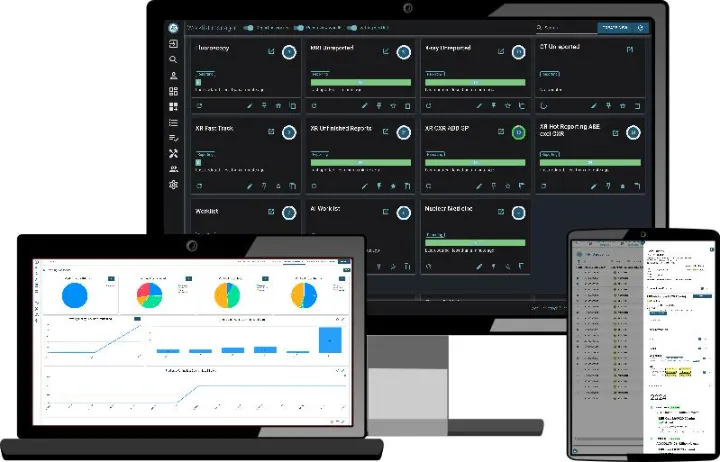
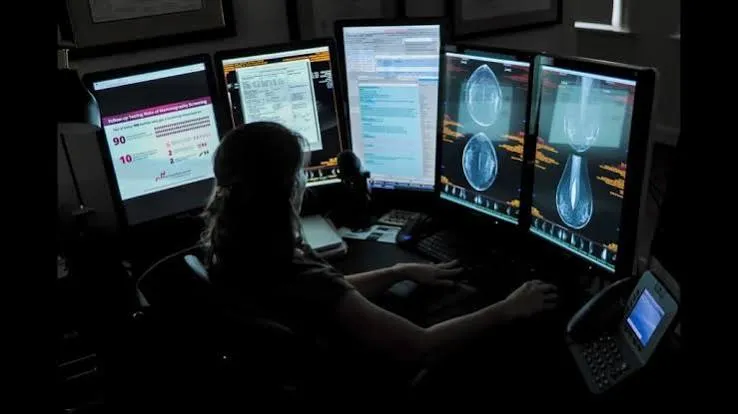
Medical images such as X-rays, CT scans, MRI scans, ultrasounds, and mammography studies can be stored in a centralized PACS server. Doctors, radiologists, and healthcare staff can view these images from any authorized workstation without the need for physical films.
"PACS has transformed the healthcare industry by making medical imaging faster, more accurate, and easily accessible."
How PACS Changes Hospital Imaging
Before PACS, hospitals relied heavily on printed films that required significant storage space and manual transportation between departments. This process often caused delays in diagnosis and treatment. PACS removes these delays by giving clinicians on-screen access to medical images as soon as they are stored.
One of the biggest advantages of PACS is improved efficiency. Radiologists can review images immediately after acquisition, reducing report turnaround time and improving patient care. Healthcare providers can collaborate more effectively by sharing images electronically with specialists across different locations.
PACS also improves patient safety and data security. Digital image archiving reduces the risk of lost or damaged films, while regular backups and a tested recovery plan protect critical medical records over the long term.
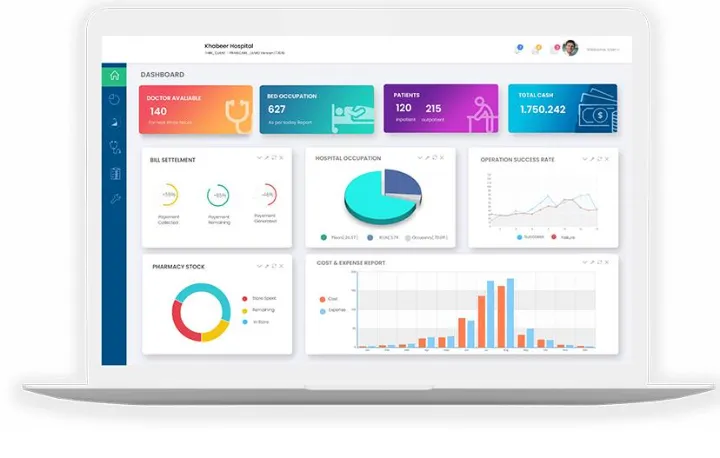
Modern PACS solutions integrate over HL7 with Hospital Information Systems (HIS), Radiology Information Systems (RIS), Laboratory Information Systems (LIS), and Electronic Medical Records (EMR). This integration creates a complete digital healthcare environment that improves workflow and communication. Our HMIS and PACS integration guide explains how the HL7 and DICOM handoffs work step by step.
Another major benefit of PACS is support for teleradiology. Medical images can be securely transmitted to specialists anywhere in the world, allowing hospitals to obtain expert opinions and provide faster diagnoses, especially in emergency situations.
At Pacslink, we provide advanced PACS software designed to help hospitals, diagnostic centers, and healthcare organizations improve operational efficiency, reduce costs, and deliver better patient outcomes through modern digital imaging technology. To see what moving off film could save your facility, try the PACS ROI calculator.
Key Benefits of PACS
- Digital storage of medical images
- Faster diagnosis and reporting
- Reduced film and printing costs
- Improved collaboration among healthcare professionals
- Secure image archiving and backup
- Remote image access and teleradiology support
- Integration with HIS, RIS, LIS, and EMR systems
- Enhanced patient care and operational efficiency
0 Comments
No comments yet. Be the first to share your thoughts.


Leave A Comment